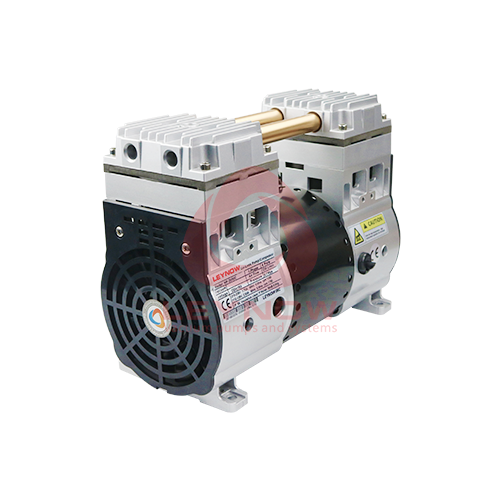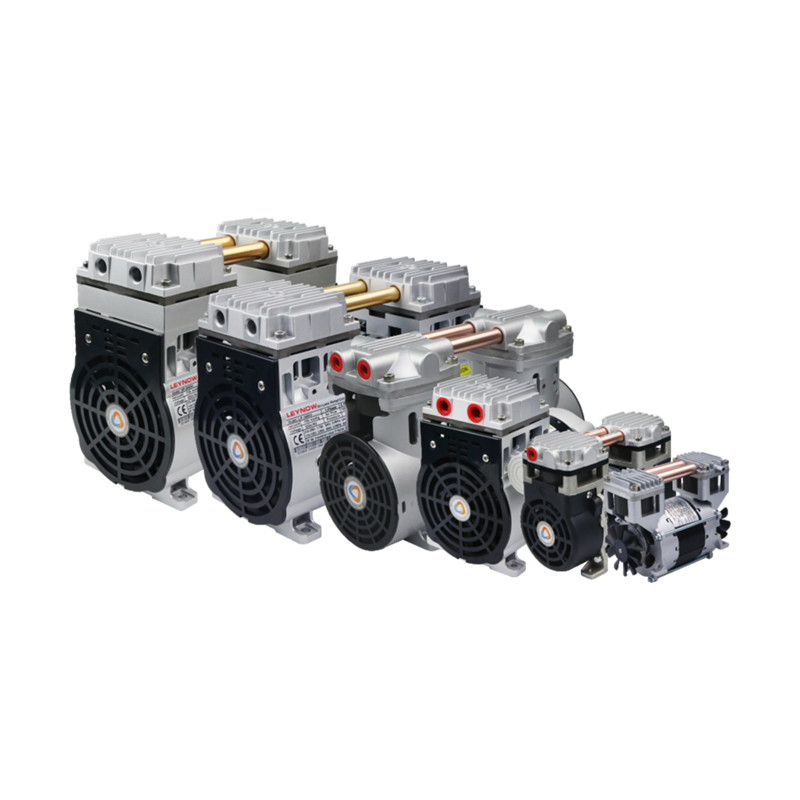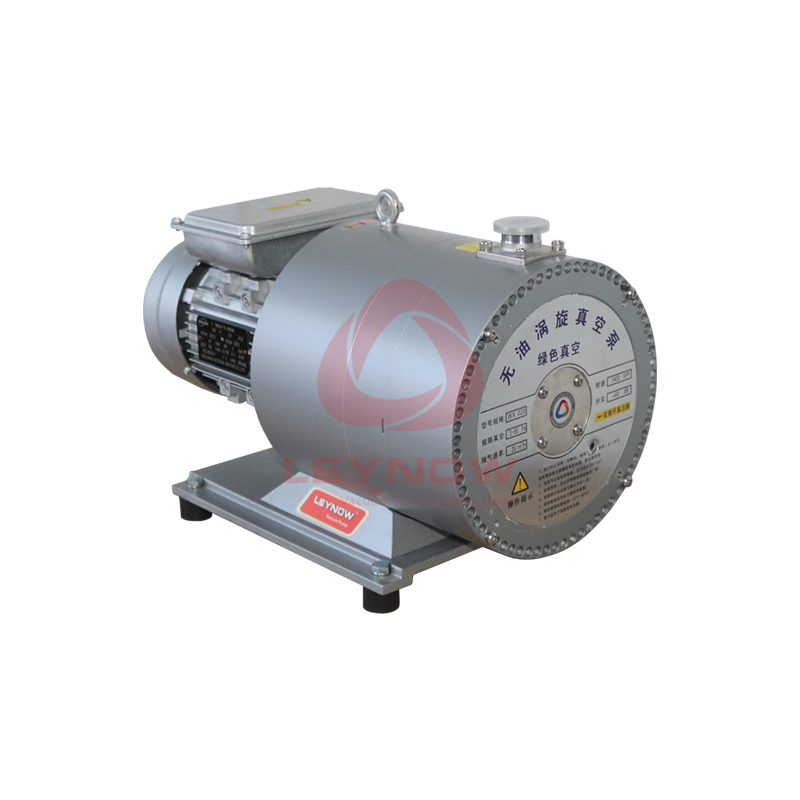
Medium characteristics: ethylene glycol and propylene glycol have low volatility, so the process stream is dominated by Water Vapour, with only a small amount of glycol vapour, which becomes viscous on compression and Cooling and adheres to the scroll plates and PTFE sealing strips. Deionised water itself contains no ions, but once condensed it lets residual alcohols deposit inside the pump chamber, causing Vacuum decay, seal ageing and seizure risk. Scroll pumps work on micron-level clearances and are most vulnerable to liquid droplets, viscous deposits and internal condensation.
1. Upstream piping protection (most important, do this first)
1. Never pump liquid droplets directly. A gas-liquid separator (buffer or knockout pot) plus a coalescing filter must be installed at the pump inlet to intercept entrained droplets. Once ethylene or propylene glycol enters the scroll plates as a liquid, it bonds to the scroll profiles and causes seizure.
2. For high-moisture conditions, add a water-cooled Condenser or cold trap downstream of the separator to condense and retain most of the water vapour in advance, greatly reducing the condensable load reaching the pump. Provide automatic drainage of condensate to prevent liquid accumulation from flowing back into the pump.
3. Trace heating and insulation: if the process temperature is high, heat-trace the vacuum line to prevent alcohol and water vapour from condensing into a viscous film on the pipe wall and being carried into the pump head. The tracing temperature should be above the system dew point but must not exceed the pump's permissible inlet temperature (typically 50 degrees C or less, per the pump datasheet).
4. Upstream filter selection: use media resistant to ethylene and propylene glycol (PTFE filter elements) and monitor differential pressure, replacing the element as soon as the pressure drop rises. Do not use ordinary paper elements, which swell and rupture on contact with alcohol-water mixtures.
2. Pump settings: gas ballast rules
1. Whenever the stream contains water vapour (evaporated deionised water), open the Gas Ballast Valve (dry air or nitrogen purge) to raise the total pressure in the pump chamber and lower the water vapour partial pressure, preventing condensation into liquid water during compression. Gas ballast reduces ultimate vacuum, so switch it on demand: open during degassing and drying, and close it later when high vacuum is required.
2. Dry nitrogen is the recommended ballast gas, preferable to ordinary air, because oxygen in air can slowly oxidise ethylene or propylene glycol at high temperature into acidic small molecules that gradually corrode the aluminium scroll plates.
3. Shutdown purge procedure (mandatory): at the end of the process, do not stop the pump directly. Close the process vacuum valve and keep the pump running with gas ballast purge for 10 to 30 minutes, admitting dry gas to sweep out all residual water vapour and trace glycol vapour from the pump chamber. Only then stop the pump, so that vapour does not condense inside the pump as it cools and deposit viscous matter on the scroll plates and sealing strips.
3. Material compatibility
1. Scroll plates are mostly aluminium alloy; ethylene and propylene glycol are basically stable against aluminium at room temperature, but prolonged high temperature plus water plus small amounts of oxidation products (organic acids) will slowly corrode the aluminium surface, while PTFE sealing strips absorb alcohols, harden and age faster and lose life.
2. Seals and O-rings: PTFE and FKM fluoroelastomer must be used; ordinary NBR nitrile rubber is prohibited, since ethylene and propylene glycol swell ordinary rubber and cause leakage.
3. For high process temperatures and continuous long-term operation, choose a manufacturer's solvent-resistant version of the scroll pump with a solvent-resistant coating on the pump chamber surfaces.
4. Operating parameter control
1. Inlet temperature: keep the gas mixture entering the pump head at 50 degrees C or below; higher temperatures increase alcohol vapour load, worsen deposition and accelerate seal ageing.
2. Do not continuously pump large amounts of water vapour near ultimate vacuum; at ultimate vacuum, water vapour condenses very easily during the compression stage.
3. Monitor running current, noise and Vacuum Level: a slow drop in vacuum, rising current and abnormal noise most likely indicate alcohol or scale deposits between the scroll plates, requiring shutdown, disassembly and cleaning.
4. Liquid level and anti-suckback: always break the vacuum before shutting down the system to prevent condensate from being sucked back into the pump; for critical systems, add liquid ingress alarms with interlocked shutdown.
5. Maintenance points (intervals shorter than for standard dry scroll pumps)
1. Routine inspection: filter differential pressure, separator liquid level, whether the exhaust shows a white mist, and pump body temperature rise.
2. Periodic disassembly and cleaning: ethylene and propylene glycol are viscous organics, so even with upstream trapping, trace amounts adhere to the scroll plates and seal grooves over long operation. Clean the scroll plates with warm water and a neutral detergent, dry them thoroughly before reassembly, and never use strong acids or alkalis.
3. Sealing strips and face seals: for alcohol-water service, replace them at half the interval used for dry air duty; alcohols continuously wet the PTFE seals, which harden and wear, and vacuum slowly deteriorates.
4. Exhaust treatment: although ethylene and propylene glycol have low volatility, a simple condensing recovery unit on the exhaust is recommended to reduce emissions and meet environmental requirements.
6. Risk summary (pitfalls to avoid)
Suitable applications: Vacuum Degassing and pre-concentration vacuum for ethylene glycol, propylene glycol and deionised water systems with low droplet entrainment and low to medium moisture load.
Not suitable for: violent boiling and splashing of large liquid volumes, high-temperature high-concentration alcohol vapour, or direct pumping without upstream trapping.
Main risks:
1. Droplet ingestion leading to immediate seizure of the scroll pump;
2. Vapour condensing inside the pump, forming viscous alcohol-water deposits that fill the scroll clearance and cause vacuum decay;
3. Alcohol oxidation producing trace organic acids that slowly corrode the aluminium scroll plates;
4. Alcohol soaking rubber parts, swelling O-rings and causing leakage.
7. Optional optimisation (Industrial Production lines)
- Batch processes: run an automatic nitrogen purge cycle at the end of each batch;
- Continuous 24-hour duty: prefer two-stage trapping with an upstream condenser plus gas-liquid separator, and add online dew point monitoring;
- High-concentration alcohol at high temperature: evaluate switching to a claw or screw dry pump; scroll pumps are better suited to small and medium pumping speeds with clean, low-load duty.