
Leno Vacuum Pumps Power Pulsating Vacuum Sterilisers: Precision Vacuum Technology Safeguarding Medical and Pharmaceutical Safety
In healthcare, pharmaceuticals and laboratories, sterilisation is a core line of defence for product safety and patient health. As one of the mainstream sterilisation devices, the pulsating Vacuum Steriliser, with its unique process of alternating repeated evacuation and saturated steam charging, has become the preferred solution for porous instruments, lumened devices and items that withstand high temperature and moisture. Behind this precision system, Leno vacuum pumps, with their efficient and stable evacuation performance, are the key component supporting sterilisation effectiveness, providing dual assurance for medical safety and production efficiency.
Pulsating vacuum sterilisers: solving sterilisation challenges with dynamic pressure
The core logic of a pulsating vacuum steriliser is to work the vacuum pump and steam system together to completely remove air from the sterilisation chamber and prevent cold spots, ensuring steam penetrates evenly into every tiny pore of the instruments. A typical working sequence has three stages:
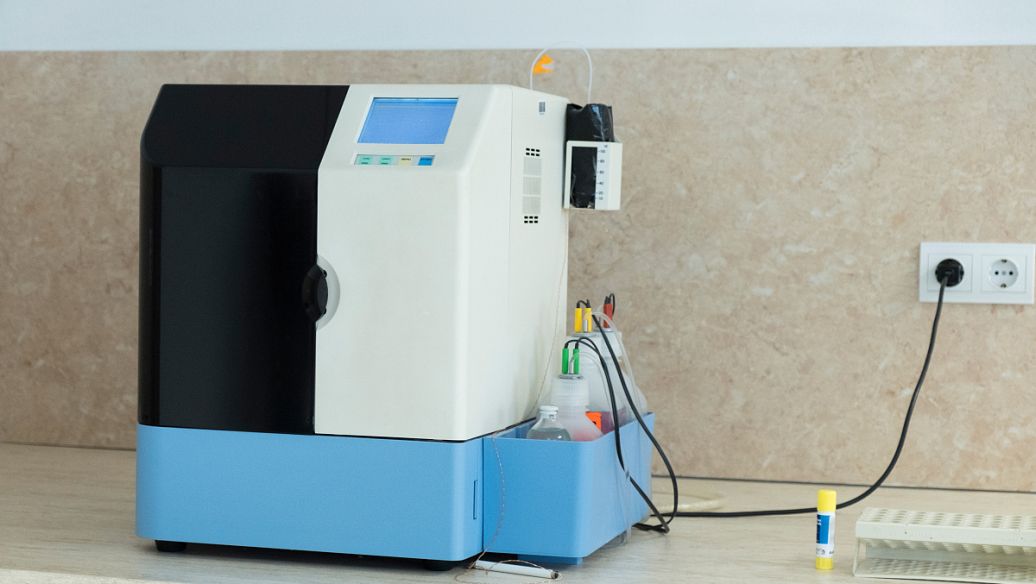
1. Pre-vacuum stage: the Leno vacuum pump starts and quickly evacuates the chamber to -0.08 MPa (the pulsation lower limit), creating a high vacuum that forces air out of the instruments;
Pulsation cycle stage: the vacuum pump and steam valve work alternately, and through 3 to 4 evacuation and steam charging cycles the residual air is reduced below 1 percent, while the penetrating power of steam kills microorganisms;
2. Sterilisation and drying stage: the set pressure is maintained at 134 degrees C; after sterilisation the vacuum pump starts again and the negative pressure environment accelerates moisture evaporation for thorough drying.
In this process, vacuum pump performance directly determines sterilisation efficiency and effectiveness. Slow evacuation or insufficient vacuum can leave residual air and create sterilisation blind spots, while unstable vacuum during drying can cause instruments to become damp again, increasing the risk of secondary contamination.
Leno vacuum pumps: solving industry pain points with technical advantages
Addressing the demanding requirements of pulsating vacuum sterilisers, Leno vacuum pumps have become the trusted choice of equipment manufacturers and end users through three technical breakthroughs:
1. High pumping speed and ultimate vacuum
The Leno LP-1400H uses a two-stage design with precision-machined pump body and vanes, reducing chamber pressure below -0.09 MPa in a short time, well beyond industry standard requirements. In measured tests at the disinfection supply centre of a tertiary hospital, a pulsating vacuum steriliser fitted with a Leno vacuum pump completed each evacuation 20 percent faster than conventional equipment, significantly improving overall sterilisation turnaround.

2. Stable operation and low failure rate
During sterilisation, repeated steam charging places extremely high demands on the corrosion resistance and sealing of the vacuum pump. Leno's special material coatings and dynamic sealing technology effectively resist steam condensate and high-temperature attack, keeping vacuum stable even under continuous heavy load. One pharmaceutical company reported that Leno vacuum pumps on its production line have run for more than 8,000 hours without failure, greatly reducing downtime risk.
3. Energy-saving and low-noise design
Leno vacuum pumps can be supplied with intelligent variable-frequency control that automatically adjusts motor speed to the sterilisation stage to reduce energy use. An optimised air-Cooling structure and noise-reducing materials keep operating noise below 65 dB, meeting the quiet requirements of hospital operating theatres and laboratories.
Full application coverage: from surgical instruments to biosafety
Leno vacuum pumps now serve the healthcare, pharmaceutical, food and research sectors widely. Typical applications include:
Healthcare: sterilising surgical instruments, dental handpieces and artificial joint implants and other high-risk items. After a dental hospital adopted pulsating vacuum sterilisers with Leno vacuum pumps, the instrument re-dampening rate fell from 15 percent to 2 percent, greatly improving take-and-use efficiency;
Pharmaceuticals: processing aseptic filling tools, culture media and laboratory animal cages. With precise pressure control from Leno vacuum pumps, one biopharmaceutical company keeps microbial residue on sterilised items below 0.001 percent, meeting GMP Certification requirements;
Laboratories and biosafety: sterilising biological waste, laboratory consumables and animal carcasses. The corrosion resistance of Leno vacuum pumps effectively handles chlorine disinfectants and acidic gases, extending equipment life.
Market recognition and future plans
Pulsating vacuum sterilisers fitted with Leno vacuum pumps have passed rigorous validation by numerous medical enterprises and institutions and have become standard components of flagship products. Industry data show that Leno vacuum pumps are one of the main components in China's high-end sterilisation equipment market, and are exported to Southeast Asia, Europe and other regions.
Facing the opportunities of new medical infrastructure and pharmaceutical industry upgrading, Leno is accelerating development of oil-free Dry Vacuum Pumps and modular integrated systems to further meet individual requirements in aseptic production and precision medicine. As Leno's technical director puts it: our goal is not merely to supply a vacuum pump, but to set a new benchmark for efficiency and safety across the entire sterilisation process through technological innovation.
With dual demands for medical safety and production efficiency, Leno vacuum pumps are playing the role of invisible guardian, driving pulsating vacuum sterilisation technology towards greater efficiency and reliability and contributing Chinese intelligent manufacturing to global public health.


