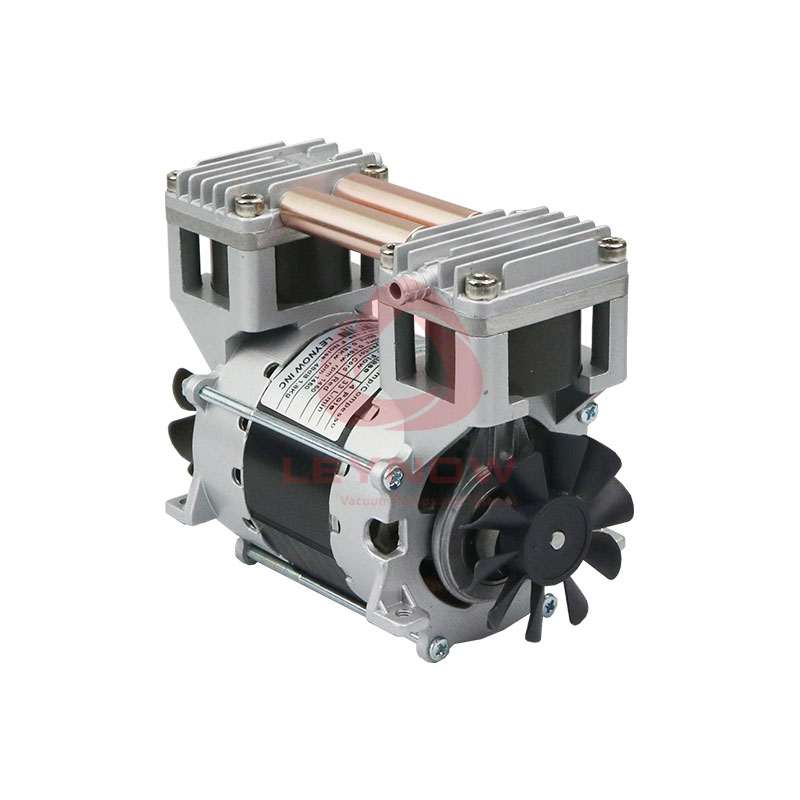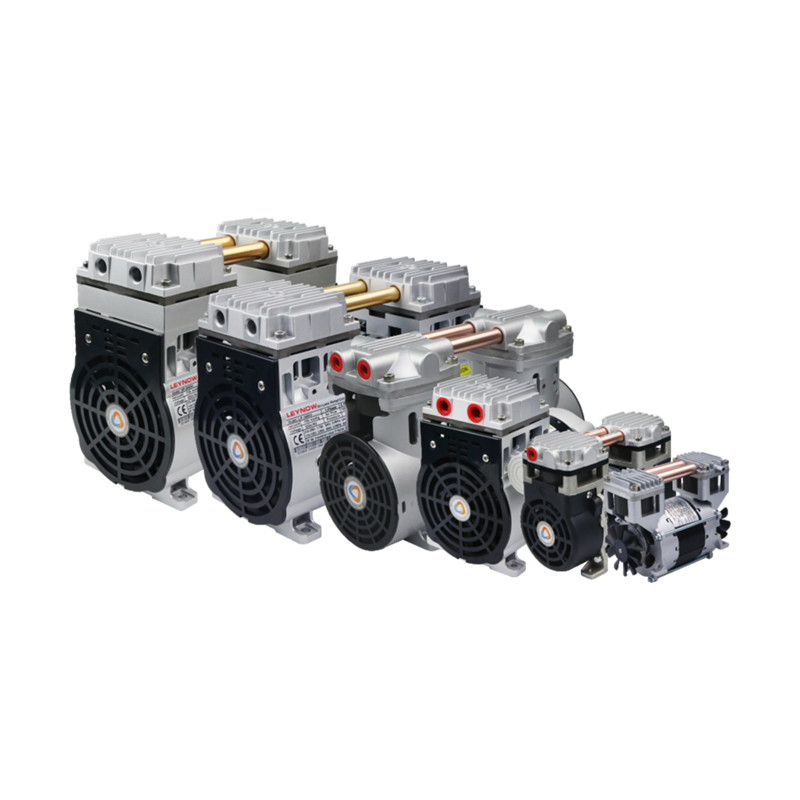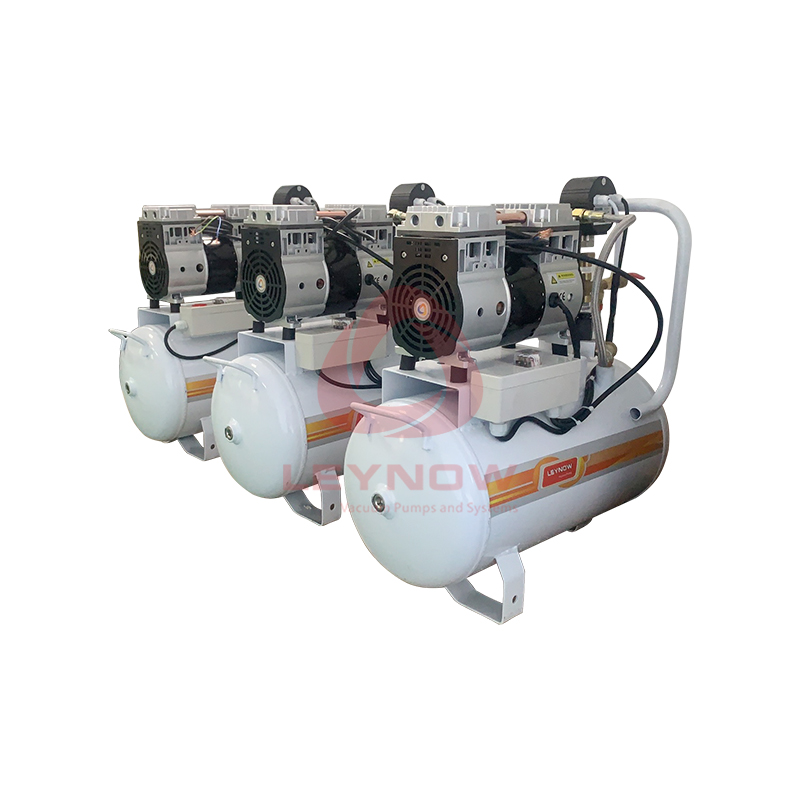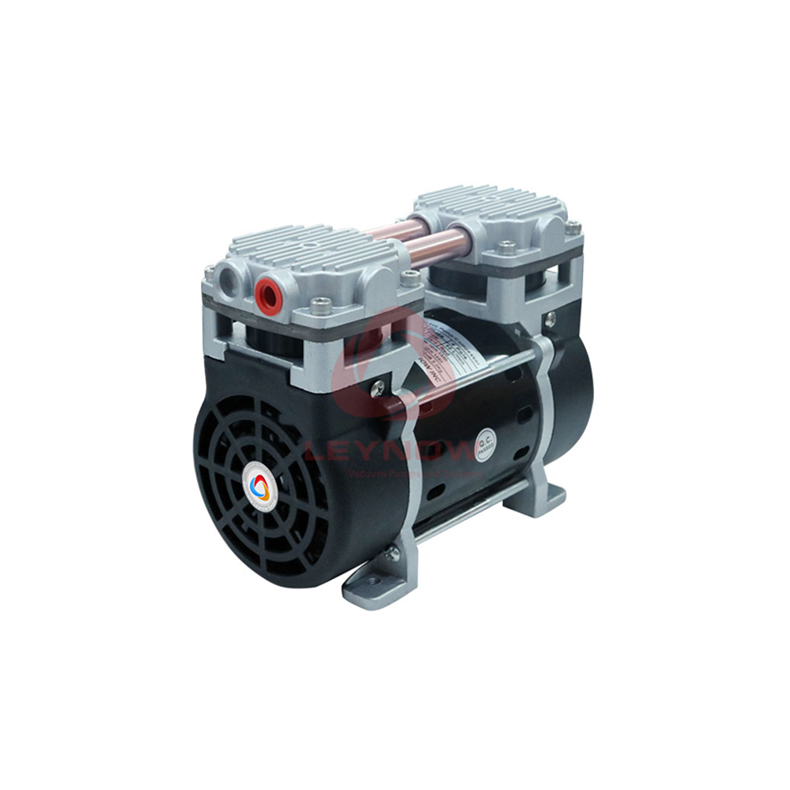
By supplying clean, high-pressure air or gas, Oil-free Compressors can improve combustion efficiency and performance in vegetable oil stoves in the following ways:
1. Enhanced fuel atomisation
Principle: high-pressure air from the oil-free Compressor atomises vegetable oil into finer droplets, increasing the contact area between fuel and oxygen and promoting complete combustion.
Implementation:
Use compressed air to drive the atomising nozzle instead of conventional mechanical atomisation.
Adjust air pressure to control droplet size and suit different combustion requirements.
Effect: less unburned residue, higher combustion efficiency, less black smoke and carbon deposit.
2. Forced Oxygen Supply (optimised combustion air)
Principle: compressed air is injected directly into the combustion chamber, increasing oxygen concentration and airflow velocity and accelerating the combustion reaction.
Implementation:
Install an oil-free compressor at the stove air inlet to provide a stable high-pressure combustion air stream.
Use the Venturi effect so that high-speed airflow creates negative pressure and draws in more air.
Effect: shorter ignition time, higher flame temperature, less fuel waste.
3. Fuel preheating and viscosity control
Principle: vegetable oil is highly viscous at low temperature and difficult to atomise. Waste heat from compressed air or electrical heating can preheat the fuel.
Implementation:
Use waste heat from compressor operation to preheat the fuel line.
Use compressed air to stir the fuel tank for even temperature distribution.
Effect: lower fuel viscosity, better flow, more uniform atomisation.
4. Dynamic regulation of the combustion process
Principle: adjust combustion parameters in real time through compressed air flow and pressure.
Implementation:
Sensors monitor flame condition and feed back to control compressor output, optimising the air-fuel ratio.
Staged air supply: high-pressure oxygen at ignition, switching to low pressure for Maintenance once stable.
Effect: adapts to different load requirements and avoids heat loss from excessive oxygen supply.
5. Cleaning and maintenance support
Principle: oil-free compressed air contains no oil contamination and is suitable for cleaning key stove components.
Implementation:
Regularly blow high-pressure air through nozzles and the combustion chamber to prevent carbon blockage.
Combine with pulse cleaning technology for automated maintenance of the combustion system.
Effect: longer equipment life and sustained efficient operation.
6. Waste heat recovery and system integration
Principle: recover compressor waste heat together with stove waste heat to improve overall energy efficiency.
Implementation:
Design heat exchangers that use waste heat to preheat fuel or combustion air.
Combine with cogeneration systems so that compressed air power and thermal energy are used together.
Effect: overall efficiency gains of 15 to 30 percent.
Practical application notes
Matching design: select compressor parameters according to vegetable oil characteristics such as viscosity and flash point.
Anti-blocking measures: impurities in vegetable oil can affect atomising nozzles, so Filtration systems are needed.
Economic balance: compressor energy consumption must be weighed against the efficiency gains in combustion.
Through these methods, oil-free compressors can systematically optimise the combustion dynamics of vegetable oil stoves, balancing thermal efficiency and environmental requirements, and are particularly suited to high-viscosity fuels such as biodiesel.